MKS System: Meter-Kilogram-Second Explained
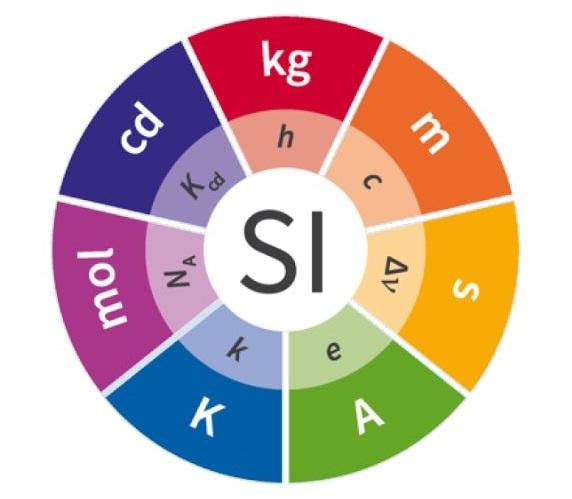
The MKS system is a metric system that uses the meter, kilogram, and second as its base units. It forms the foundation of the modern International System of Units (SI).
What is the MKS System?
The MKS system defines three fundamental units: the meter for length, the kilogram for mass, and the second for time. All other mechanical quantities can be derived from these three base units.
History
The MKS system was proposed by Giovanni Giorgi in 1901 as an improvement over the CGS (centimeter-gram-second) system. It was adopted as the basis for the International System of Units (SI) in 1960, with additional base units for electric current, temperature, amount of substance, and luminous intensity.
MKS vs CGS
- MKS: meter, kilogram, second — used in SI and everyday engineering
- CGS: centimeter, gram, second — still used in some scientific fields
- MKS units are generally more practical for real-world applications
Derived Units in MKS
- Newton (N) = kg·m/s² (force)
- Joule (J) = kg·m²/s² (energy)
- Watt (W) = kg·m²/s³ (power)
- Pascal (Pa) = kg/(m·s²) (pressure)
The MKS system remains the backbone of modern measurement, making it essential knowledge for anyone working in science or engineering.